What is face highlighter?
A face highlighter is a makeup product designed to add a radiant and luminous glow to specific areas of the face. It typically comes in various formulations, including powder, cream, liquid, and stick. The purpose of a highlighter is to accentuate certain facial features by reflecting light and creating the illusion of brightness and dimension.
Key points about face highlighter:
- Application Areas:
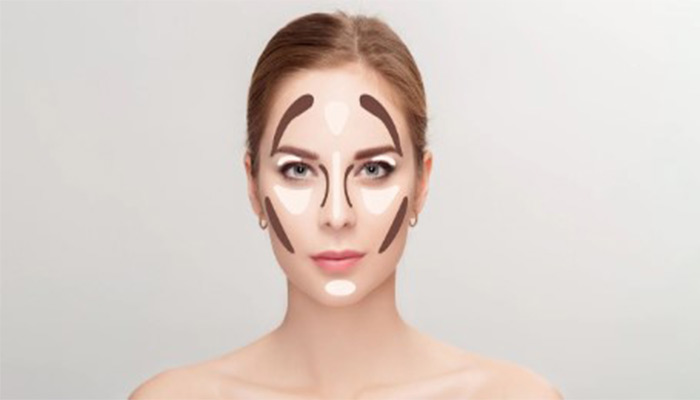
- Common areas to apply highlighter include the tops of the cheekbones, the bridge of the nose, the cupid’s bow (above the upper lip), the brow bone, and the inner corners of the eyes.
- Formulations:
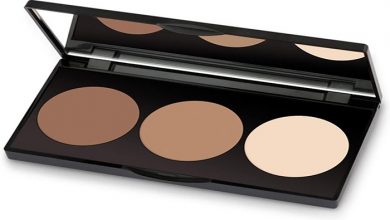
- Powder Highlighter: Often comes in compact form and is applied with a makeup brush. It provides a subtle or buildable glow.
- Cream and Liquid Highlighter: These formulations are often more dewy and can be applied with fingers or a makeup sponge. They can give a more natural, lit-from-within look.
- Stick Highlighter: Convenient for precise application and can be directly applied to the face before blending with fingers or a brush.
- Shades:
- Highlighters come in a variety of shades, including champagne, gold, rose gold, and iridescent tones. The shade choice often depends on personal preference and the individual’s skin tone.
- Purpose:
- Highlighter is used to enhance the high points of the face, bringing attention to these areas and creating a youthful, radiant appearance. It contrasts with contouring, which involves adding shadows to define certain features.
- Blendability:
- It’s essential to blend the highlighter seamlessly into the skin to avoid harsh lines. A well-blended highlighter gives a natural and seamless finish.
- Buildable:
- Highlighters are often buildable, allowing you to control the intensity of the glow. You can apply a subtle amount for a natural look or layer it for a more intense highlight.
Face highlighters have become a popular and versatile product in the makeup industry, suitable for various makeup looks and occasions. They are used to create a luminous complexion, add a healthy glow, and draw attention to specific areas of the face.
Types of highlighter
Highlighters come in various formulations, catering to different preferences, skin types, and desired finishes. Here are some common types of highlighters:
Powder Highlighters:
These are the most common type of highlighters and are often found in compact form. They usually have a finely milled texture, providing a luminous finish. Powder highlighters are applied with a makeup brush and are suitable for most skin types.
Cream Highlighters:
Cream highlighters have a creamy consistency and are often more hydrating than powder formulas. They are applied with fingers, a makeup sponge, or a brush. Cream highlighters can give a dewy, natural glow and are suitable for dry or mature skin.
Liquid Highlighters:
Liquid highlighters are in a fluid form and typically come in a small bottle with a dropper or a pump. They are versatile and can be mixed with foundation or applied directly to the high points of the face. Liquid highlighters often provide a more sheer and buildable glow.
Stick Highlighters:
Stick highlighters come in a solid form, similar to a lipstick or deodorant. They are convenient for on-the-go application and precise placement. Stick highlighters are often creamy and can be blended with fingers or a brush.
Baked Highlighters:
Baked highlighters start as a cream and are slowly baked to create a powder formula. This process can result in a smooth texture with a luminous finish. Baked highlighters can provide a more intense glow and are often used for special occasions.
Gel Highlighters:
Gel highlighters have a gel-like consistency and are known for their lightweight feel. They can be applied with fingers or a brush and are suitable for achieving a natural, dewy finish.
Jelly Highlighters:
Jelly highlighters have a unique jelly-like texture that is bouncy to the touch. They often provide a wet, glossy look on the skin and are applied with fingers or a sponge.
Duochrome Highlighters:
Duochrome highlighters contain color-shifting pigments that change shades depending on the angle and lighting. They add an extra dimension to the highlighted areas.
Read More – Trixie Tongue Tricks
Pressed vs. Loose Powder Highlighters:
Both powder and loose highlighters come in pressed or loose forms. Loose powder highlighters offer a more intense and buildable glow, while pressed powders are convenient for easy application.
When choosing a highlighter, consider your skin type, the desired finish, and personal preferences. Experimenting with different formulations can help you find the type of highlighter that best suits your makeup routine and style.
Best highlighter Brand for face in India 2024
several makeup brands in India offer popular and well-reviewed highlighters. However, new products may have been introduced since then. Here are some highlighters that were highly regarded for their performance and availability in India:
- Maybelline New York Face Studio Master Chrome Metallic Highlighter:
- Maybelline’s Master Chrome Highlighter is known for its intense metallic finish and is available in shades that complement various skin tones.
- Lakmé Absolute Moonlit Highlighter:
- Lakmé’s Absolute Moonlit Highlighter is appreciated for its smooth texture and ability to provide a subtle, luminous glow. It often comes in a duo with a contour shade.
- Nykaa Glow Getter Highlighting & Illuminating Duo:
- Nykaa’s Glow Getter Duo offers a combination of highlighter and illuminator, allowing you to customize your glow. Nykaa is an Indian brand known for its wide range of beauty products.
- Faces Canada Ultime Pro Illuminating Powder:
- Faces Canada offers the Ultime Pro Illuminating Powder, known for its finely milled texture and radiant finish.
- Colorbar Spotlight Illuminating Lotion:
- Colorbar’s Spotlight Illuminating Lotion is a liquid highlighter that provides a dewy and natural glow. It can be mixed with foundation or applied directly to the high points of the face.
- Sugar Cosmetics Contour De Force Mini Highlighter:
- Sugar Cosmetics offers mini highlighters in various shades that are travel-friendly and provide a luminous finish.
- PAC Cosmetics Baked Highlighter:
- PAC Cosmetics Baked Highlighter is known for its baked formula, offering a smooth texture and a radiant glow.
- Bharat & Dorris Shimmer Brick:
- Bharat & Dorris Shimmer Brick is a versatile product that can be used as a highlighter, eyeshadow, or blush. It is appreciated for its shimmering finish.
When choosing a highlighter, consider your skin tone, the desired level of intensity, and whether you prefer a powder, cream, or liquid formulation. Additionally, checking for recent reviews and exploring new releases can help you find the best highlighter for your preferences.
Read More – Kratom Capsules
10 Places on Your Face to Apply Highlighter
Highlighter is applied to specific areas of the face to enhance features and create a luminous, radiant effect. Here are eight places on your face where you can apply highlighter:
- Tops of Cheekbones:
- Apply highlighter to the highest points of your cheekbones. This enhances the natural structure of your face and adds a beautiful glow.
- Bridge of the Nose:
- A touch of highlighter on the bridge of the nose can create a subtle and lifted appearance. Be careful not to apply too much to avoid making the nose look oily.
- Cupid’s Bow:
- Apply a small amount of highlighter to the cupid’s bow, the V-shaped dip on the upper lip. This accentuates the lip shape and adds a touch of radiance.
- Brow Bone:
- Highlighting the brow bone under the eyebrows can lift and define the eyes. Use a small amount for a subtle effect.
- Inner Corners of Eyes:
- Applying highlighter to the inner corners of the eyes brightens the eyes and gives a more awake and youthful appearance.
- Temples:
- Adding a bit of highlighter to the temples can contribute to an overall radiant look. This is optional and can complement your contouring.
- Center of Forehead:
- Applying a small amount of highlighter to the center of the forehead can bring attention to the middle of the face and create a balanced glow.
- Chin:
- Applying highlighter to the center of the chin can enhance the natural contours of your face. It adds a subtle glow to the lower part of your face.
Remember that a little goes a long way with highlighter, and it’s crucial to blend well to achieve a seamless and natural look. Additionally, the choice of highlighter shade should complement your skin tone for the best results.
Why is highlighter important in makeup
Highlighter is an essential component in makeup for several reasons, as it adds dimension, radiance, and a youthful glow to the face. Here are some key reasons why highlighter is important in makeup:
- Enhances Facial Features:
- Highlighter is used to accentuate specific features of the face. By applying it to certain areas, such as the tops of the cheekbones and the bridge of the nose, you can enhance the natural structure of your face.
- Creates a Luminous Glow:
- Highlighter adds a luminous and radiant finish to the skin. It mimics the effect of natural light hitting the high points of the face, giving the complexion a healthy and youthful appearance.
- Brings Attention to Certain Areas:
- By strategically placing highlighter, you can draw attention to areas you want to emphasize, such as the eyes, cheekbones, and lips. This helps create a focal point and adds a touch of glamour to your makeup look.
- Complements Contouring:
- Highlighter is often used in conjunction with contouring. While contouring adds shadows and definition, highlighter brings forward the areas you want to highlight, creating a balanced and sculpted look.
- Brightens the Eyes:
- Applying highlighter to the inner corners of the eyes and the brow bone can brighten the eyes, making them appear larger and more awake.
- Adds a Youthful Effect:
- A subtle application of highlighter can create a youthful and dewy complexion. It gives the skin a fresh and healthy appearance, reducing the look of dullness or tiredness.
- Versatility in Formulations:
- Highlighters come in various formulations, including powder, cream, liquid, and stick. This versatility allows individuals to choose a product that suits their skin type, desired finish, and preferred method of application.
- Adaptable for Various Makeup Looks:
- Highlighter is versatile and can be incorporated into various makeup looks, ranging from natural and everyday to more glamorous and dramatic. Its adaptability makes it a staple in many makeup routines.
Ultimately, highlighter plays a crucial role in achieving a polished and well-balanced makeup look. Whether you prefer a subtle glow for daytime or a more intense highlight for special occasions, incorporating highlighter into your routine can elevate your overall makeup application.
Read More – Balancing Nutrition and Exercise
How to apply powder highlighter for beginners
Applying powder highlighter is a simple yet effective way to add a radiant glow to your face. Here’s a step-by-step guide for beginners on how to apply powder highlighter:
What You’ll Need:
- Powder highlighter
- Fluffy makeup brush (highlighter brush)
- Foundation and other base makeup (optional)
Steps:
- Prepare Your Base (Optional):
- Begin with your regular foundation or base makeup. This provides a smooth canvas for the highlighter to adhere to.
- Choose the Right Highlighter:
- Select a powder highlighter that complements your skin tone. Lighter shades like champagne or gold work well for most skin tones, but you can experiment with different tones based on your preferences.
- Pick the Right Brush:
- Use a fluffy, tapered brush specifically designed for highlighting. A brush with soft bristles allows for a more seamless application.
- Tap Off Excess Product:
- Gently tap your brush on the highlighter pan to remove any excess product. This helps avoid applying too much product at once.
- Identify Highlight Areas:
- Locate the areas where you want to apply the highlighter. Common areas include the tops of the cheekbones, the bridge of the nose, the cupid’s bow, the brow bone, the inner corners of the eyes, the center of the forehead, and the chin.
- Apply to Cheekbones:
- Smile slightly to find the apples of your cheeks. Using gentle, sweeping motions, apply the highlighter to the tops of your cheekbones. Start from the outer edge and move towards the center.
- Nose:
- Apply a small amount of highlighter to the bridge of your nose. You can start near the eyebrows and blend down towards the tip of the nose.
- Cupid’s Bow:
- Highlight the cupid’s bow by applying a small amount of product to the area just above your upper lip.
- Brow Bone:
- Apply a touch of highlighter to the brow bone just below the arch of your eyebrows. This enhances your eye area.
- Inner Corners of Eyes:
- Add a small amount of highlighter to the inner corners of your eyes to brighten and open up the eyes.
- Forehead and Chin (Optional):
- If you desire an all-over glow, you can lightly apply highlighter to the center of your forehead and the center of your chin.
- Blend Well:
- After applying highlighter to each area, blend well using soft, circular motions or gentle strokes. This helps eliminate any harsh lines and ensures a natural finish.
- Set with Setting Spray (Optional):
- If you want to set your makeup and enhance the overall glow, you can use a setting spray.
Remember, it’s always easier to add more highlighter if needed, so start with a subtle application and build up if desired. Experiment with placement and intensity to find what suits your face shape and personal style.
Follow – https://www.healthcaresutra.com for More Updates